
Blog
The Sustainability Imperative: Why ESG is the New Contract-Winner in B2B

ESG in B2B Trade
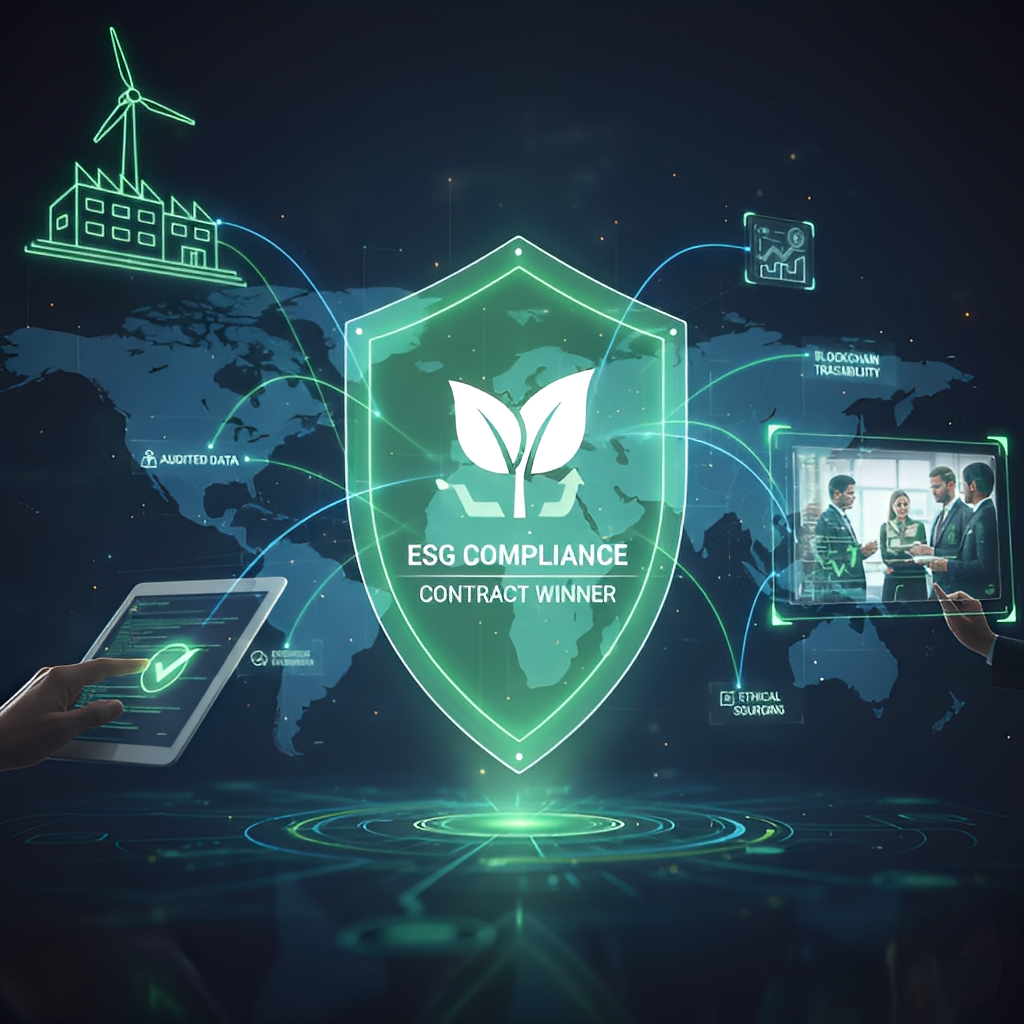
Global B2B commerce is undergoing a profound transformation, and sustainability has emerged at the center of this shift. What was once considered a supplementary business function—Environmental, Social, and Governance (ESG) accountability—has now become the single most influential determinant of long-term supplier selection. In 2025, ESG is not merely a reporting requirement; it is the new contract-winner in B2B trade. Businesses across the world have redefined procurement priorities based on sustainability metrics, regulatory alignment, ethical compliance, supply-chain transparency, and long-term environmental performance. From multinational corporations and government bodies to digital B2B marketplaces and emerging brands, the new rule is clear: the most sustainable suppliers win the most valuable contracts.
This shift is not accidental. A combination of regulatory enforcement, investor pressure, climate urgency, supply-chain risk, and customer demand has reshaped business priorities. ESG is now an operational necessity rather than a corporate branding tool. As companies restructure their procurement frameworks to meet sustainability commitments, the suppliers who understand, internalize, and demonstrate ESG performance are gaining preferential access to high-value markets. This article explores why ESG has become a decisive factor in global B2B trade, how sustainability standards are influencing buyer decisions, and what suppliers must do to win contracts in the new sustainability-driven era.
1. The Rise of ESG as a Global Business Imperative
ESG has evolved from an optional compliance measure into a mandatory business discipline. Buyers across North America, Europe, the Middle East, and Asia-Pacific have introduced stringent sustainability requirements to manage environmental risk, social accountability, and governance transparency within their supply chains. This change reflects a deeper shift in global business mindset.
1.1 Regulatory Pressures Are Reshaping Procurement
Governments worldwide have introduced new regulations that directly influence B2B contracts:
-
EU Carbon Border Adjustment Mechanism (CBAM) imposes carbon-based tariffs on non-compliant imports.
-
Supply Chain Due Diligence Laws in Germany, France, and Canada penalize unethical sourcing.
-
Plastic and packaging waste regulations elevate demand for sustainable materials.
-
Climate-risk reporting laws mandate disclosure of emissions and energy usage.
Regulation has become the biggest forcing function for ESG adoption, making sustainability the foundation of contract eligibility.
1.2 Investors Are Funding ESG-Positive Businesses
The global investment community has firmly shifted toward ESG-aligned companies. Institutional investors, private equity firms, and sovereign funds evaluate ESG readiness before committing capital. As funding flows toward sustainable enterprises, procurement teams prioritize suppliers whose operations reduce long-term risk.
1.3 The Reputation and Risk Equation Has Changed
Brands face reputational consequences when suppliers violate ESG norms. Modern buyers must ensure that:
-
Environmental standards are met
-
Ethical labor practices are followed
-
Sourcing is transparent and traceable
-
Waste and emissions are minimized
-
Governance practices are credible
This has made supplier ESG performance a top evaluation metric in B2B trade.
2. The New B2B Buyer: Sustainability-Driven, Risk-Averse, Compliance-Focused
B2B buyers today have a different mindset than buyers a decade ago. They are sustainability-oriented, risk-averse, technologically backed, and heavily influenced by global regulations. Their procurement decisions reflect a commitment to environmental responsibility and corporate accountability.
2.1 What Today’s Buyers Expect from Suppliers
Modern procurement expectations include:
-
Eco-friendly materials and low-carbon alternatives
-
Certifications and verifiable sustainability documentation
-
Traceability from raw material to finished goods
-
Responsible labor practices
-
Governance standards aligned with global norms
Suppliers who cannot demonstrate these attributes are systematically filtered out.
2.2 Sustainability Scorecards Influence Every Contract
Large corporations now use supplier sustainability scorecards to:
-
Evaluate emissions impact
-
Assess product lifecycle sustainability
-
Measure compliance with ethical labor
-
Grade governance systems
A low ESG score automatically reduces contracting opportunities.
3. Why ESG Has Become the New Contract-Winner in Global B2B Trade
The shift toward sustainability is not cosmetic; it is structural. Multiple forces have converged to make ESG the most important parameter in winning major B2B contracts.
3.1 ESG Reduces Regulatory and Operational Risk
Buyers prefer suppliers who lower the risk of:
-
Environmental penalties
-
Compliance failures
-
Labor violations
-
Supply-chain disruption
A sustainable supplier equals a safer, lower-risk partnership.
3.2 ESG Improves Product Value and Brand Trust
A supplier with strong ESG alignment enhances the buyer’s brand equity. Sustainable sourcing supports marketing claims and strengthens consumer trust.
3.3 ESG Unlocks Access to Premium Global Markets
The highly regulated markets—Europe, USA, Canada, Australia—prefer or mandate ESG-aligned suppliers. Without sustainable practices, suppliers cannot enter these markets, regardless of pricing.
3.4 ESG Enhances Cost Efficiency Over Time
Sustainable practices reduce long-term costs:
-
Lower waste
-
Higher energy efficiency
-
Optimized materials
-
Lower resource dependency
The initial investment leads to long-term savings.
3.5 ESG-Aligned Suppliers Receive Priority in Government Procurement
Governments worldwide apply ESG filters in public procurement. Suppliers with sustainability advantages consistently win government contracts.
4. ESG Requirements Across Key Global Regions
Different regions enforce sustainability differently, but one pattern is universal: ESG compliance determines supplier eligibility.
4.1 Europe: The World Leader in ESG Enforcement
Europe sets the highest ESG standards:
-
Strict packaging and waste rules
-
Mandatory emissions reporting
-
Ethical sourcing mandates
-
Carbon-based import penalties
To win contracts in Europe, ESG alignment is non-negotiable.
4.2 United States: Compliance and Ethical Sourcing Dominate
The U.S. focuses on:
-
Forced-labor compliance
-
Emissions transparency
-
Sustainability reporting
-
Recycled packaging requirements
Suppliers must meet ethical sourcing norms to enter U.S. supply chains.
4.3 Middle East: Rapid Adoption of Sustainability
Saudi Arabia, UAE, and Qatar prioritize:
-
Renewable energy
-
Sustainable construction materials
-
Clean manufacturing
-
Eco-friendly consumer goods
Contracts increasingly favor ESG-driven suppliers.
4.4 Asia-Pacific: Emerging Demand for Circular Economy Solutions
Japan, South Korea, Singapore, and Australia are adopting:
-
Circular economy frameworks
-
Recyclable products
-
Green logistics solutions
ESG suppliers have strong competitive advantage.
5. ESG Expectations by Industry: Where It Matters Most
Certain industries are experiencing rapid ESG-driven transformation.
5.1 Textiles & Apparel
-
Organic, recycled fibers
-
Water-efficient dyeing
-
Ethical labor standards
-
Transparent sourcing
5.2 Packaging & Plastics
-
Compostable, biodegradable materials
-
Recycled content mandates
-
Reduced-waste requirements
5.3 Home & Lifestyle Goods
-
Natural materials
-
Renewable energy in manufacturing
-
Zero-toxic finishing
5.4 Food & Agriculture
-
Organic certification
-
Traceability systems
-
Ethical fair trade practices
5.5 Industrial & Engineering Goods
-
Emissions reporting
-
Material compliance
-
Waste reduction protocols
5.6 Logistics
-
Green transportation
-
Electrified fleets
-
Reduced carbon footprint
6. How Digital Platforms Like Globe Easy Enable ESG-Aligned B2B Trade
Globe Easy has positioned itself as a sustainability-powered trade ecosystem.
6.1 Verified Sustainable Suppliers
Exporters can upload:
-
ESG documents
-
Certifications
-
Compliance records
-
Sustainability reports
Buyers instantly identify ESG-aligned suppliers.
6.2 Eco-Friendly Product Categories
Globe Easy prioritizes:
-
Biodegradable packaging
-
Sustainable home goods
-
Natural textiles
-
Organic wellness products
-
Recycled materials
6.3 Transparent Supply-Chain Information
The platform enables buyers to assess:
-
Manufacturing practices
-
Material traceability
-
Environmental impact
6.4 ESG-Powered Branding
Suppliers can build global trust and visibility through sustainability-centered profiles.
7. How Suppliers Can Strengthen ESG to Win More Contracts
7.1 Adopt Eco-Friendly Materials
Replace plastics and non-renewables with:
-
Bamboo
-
Areca
-
Bagasse
-
Recycled fiber
-
Organic cotton
7.2 Upgrade Manufacturing to Reduce Emissions
-
Use renewable energy
-
Optimize water usage
-
Reduce waste output
7.3 Obtain the Right Certifications
Essential certifications include:
-
ISO 14001
-
FSC
-
Fair Trade
-
GOTS
-
BSCI
-
SA8000
7.4 Increase Supply-Chain Transparency
-
Implement digital tracking
-
Use blockchain for verification
-
Publish sustainability reports
7.5 Modernize Packaging
-
Use compostable packaging
-
Reduce bulk packaging waste
7.6 Train Workforce on ESG Standards
A sustainably trained workforce delivers sustainable operations.
8. The Future of B2B Procurement: Why ESG Will Dominate 2030 and Beyond
Global megatrends indicate that ESG will become the central purchasing criterion in B2B trade. Climate goals, green financing, corporate responsibility, and compliance pressures will make sustainability the heart of all procurement frameworks. Suppliers who innovate early will secure long-term, high-value, multi-year B2B contracts.

