
Blog
Global Trade Insight 2025: How Cross-Border E-Commerce and Digital Trade Platforms Are Reshaping International Business

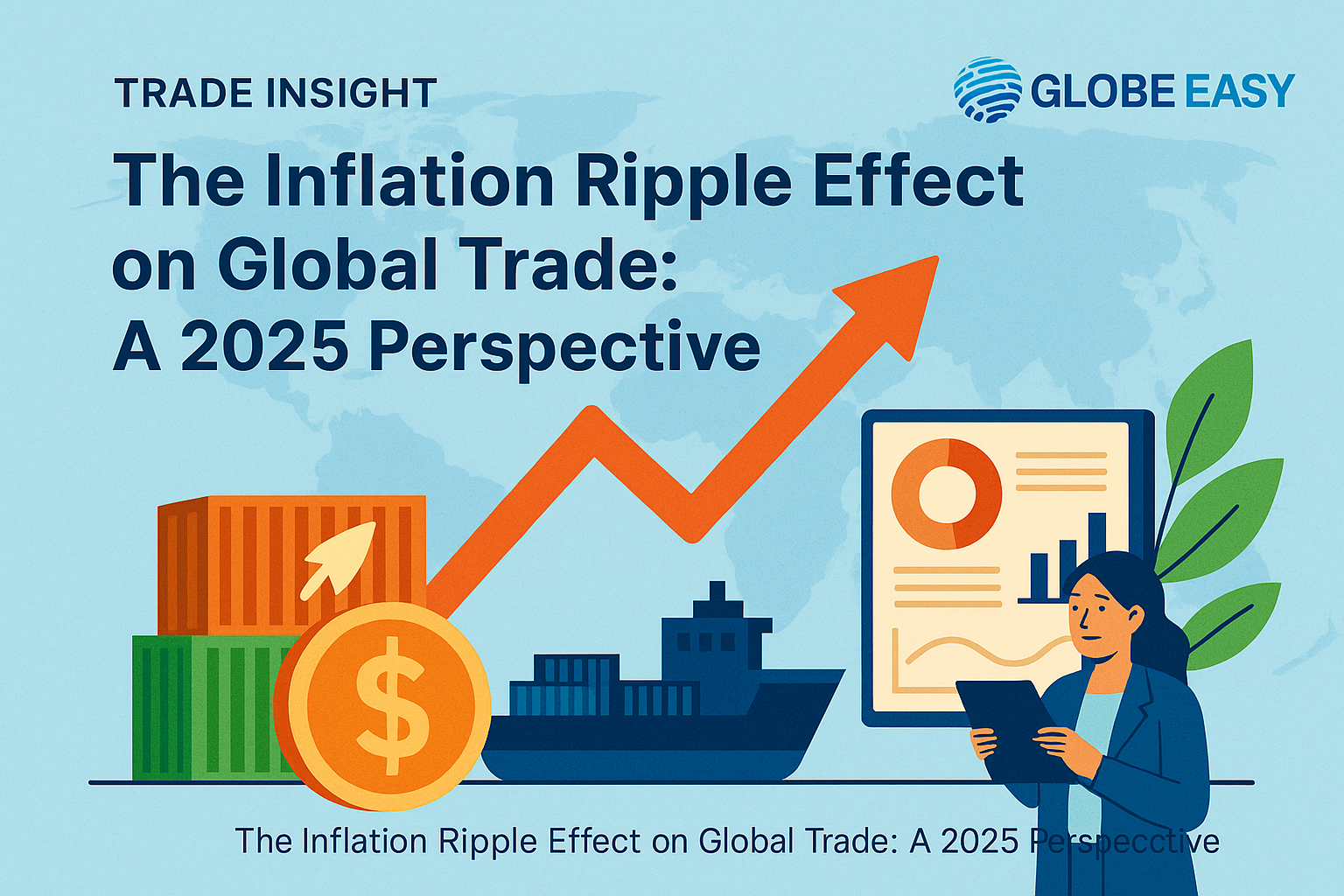
Cross-Border Digital Trade is reshaping the global exports landscape, enabling businesses to connect faster, trade smarter, and scale internationally through intelligent platforms.
Introduction: The Rise of a Borderless Digital Trade Era
Global trade in 2025 is experiencing a structural shift unlike any previous era. While traditional shipping routes, manufacturing hubs, and trade agreements still play crucial roles, a powerful new force is redefining how businesses connect, negotiate, and sell across borders: cross-border e-commerce and digital trade platforms. The global trading landscape is no longer dominated only by large multinational corporations operating through complex logistics chains. Instead, small and medium-sized exporters, regional manufacturers, and service providers are now able to access international buyers directly through online ecosystems that simplify trade and eliminate many historical barriers. This transformation is not just about selling products online. It is about redefining trust, transparency, speed, and efficiency in global commerce. Digital trade platforms are creating a world where buyers can discover verified suppliers, compare pricing, review certifications, and complete transactions without leaving their desks. For exporters and platforms like GlobeEasy.com, this shift is not just an opportunity; it is the foundation for future growth. This article explores how cross-border digital trade is changing global business models, what trends are driving this transformation, and how exporters can use this new reality to build sustainable international growth.1. The Evolution of Global Trade: From Physical to Digital
For decades, international trade relied heavily on physical trade fairs, personal connections, distributors, and lengthy paperwork processes. Exporters had to invest heavily in travel, networking, intermediaries, and documentation to access global markets. Small businesses often struggled to participate due to high costs and limited visibility. Today, the situation is completely different. Digitalisation has removed geographical limitations. Exporters can list their products on a trading platform, reach buyers worldwide, and initiate business conversations instantly. This shift has democratised international trade, allowing businesses of all sizes to participate. Cross-border e-commerce is now a core pillar of global trade growth. Digital platforms act as virtual trade hubs where millions of transactions occur daily, connecting buyers and sellers directly and efficiently.2. Why Cross-Border Digital Trade Is Exploding
Several factors are responsible for the rapid expansion of global digital trade:Access to Global Buyers
Businesses are no longer restricted to local markets. A manufacturer in India can sell to a distributor in Germany or a buyer in Canada within minutes.Lower Entry Barriers
Digital platforms eliminate the need for large initial investments in overseas offices or agents.Supply Chain Transparency
Buyers can check product details, certifications, supplier profiles, and ratings before engaging.Real-Time Communication
Instant messaging, video calls, and digital documentation accelerate decision-making.Integrated Logistics and Payment Systems
Digital trade ecosystems now provide built-in solutions for shipping, insurance, and secure payments. These benefits are making digital trade the preferred route for modern businesses entering international markets.3. The Role of Digital B2B Marketplaces in 2025
Digital B2B marketplaces have become the backbone of international trade ecosystems. They are no longer simple listing websites but intelligent platforms that streamline the entire trading process. Modern platforms provide:- Supplier verification and ratings
- Compliance and documentation support
- AI-powered product recommendations
- Automated order processing
- Secure trade communication
- Market analytics and insights
4. Trends Driving Digital Trade Growth in 2025
Increased Global Internet Penetration
Emerging markets are increasingly coming online, expanding both buyer and seller opportunities.Mobile Commerce Adoption
Smartphones have become powerful business tools for trade negotiations and order management.Artificial Intelligence Integration
AI improves matchmaking between buyers and suppliers. It enhances predictive analytics for trade trends.Blockchain for Transparency
Blockchain-based systems allow clear tracking of product origins and secure transaction histories.Government Support for Digital Exports
Many governments encourage digital exports by offering incentives and regulatory simplifications. These trends are strengthening the foundation of digital trade globally.5. How Exporters Can Leverage Digital Trade Platforms
Exporters who understand how to optimise digital trade can significantly increase their competitiveness. Practical actions include:Building Strong Digital Profiles
Professional branding instills confidence among international buyers.Providing Detailed Product Information
Clarity in specifications, quality standards, and certifications improves buyer trust.Showcasing Sustainability Practices
Eco-conscious buyers increasingly favour transparent and ethical suppliers.Using Data Analytics
Understanding buyer behaviour helps tailor products and pricing strategies.Enhancing Customer Communication
Fast responses and personalised interaction build long-term relationships. These strategies transform casual inquiries into lasting partnerships.6. The Impact on Traditional Trade Models
Digital trade is not replacing traditional trade but redefining it. Physical trade fairs are increasingly being supplemented by virtual expos and online showrooms. Distributors are adapting by providing digital support services. Traditional exporters who resist digital transformation risk losing market relevance. Those who adapt gain agility, speed, and competitive advantage.7. Challenges in the Digital Trade Ecosystem
Despite its advantages, digital trade faces challenges such as:- Cybersecurity risks
- Digital fraud and scams
- Inconsistent international regulations
- Logistics coordination difficulties
- Language and cultural barriers
8. The Future of Trade Documentation
Paper-based documentation is rapidly being replaced by digital trade documentation systems. Electronic bills of lading, online customs declarations, and digital certificates are becoming standard practice. This shift reduces errors, lowers processing time, and increases transparency. Exporters who adapt early gain smoother cross-border operations.9. Sustainability and Ethical Trade in Digital Commerce
Sustainable trade practices are becoming essential. Digital platforms allow exporters to showcase:- Environmental certifications
- Responsible sourcing
- Carbon footprint transparency
- Ethical labour practices
10. How GlobeEasy.com Benefits from This Trend
GlobeEasy.com holds significant potential in this digital transformation. By integrating supplier verification, ESG data, and seamless communication tools, the platform positions itself as a modern trade operating system. Its role as an information and transaction hub strengthens buyer confidence and enhances global accessibility for exporters.11. Key Opportunities for Exporters in Digital Trade
- Global market expansion
- Direct buyer relationships
- Reduced operating costs
- Faster transaction cycles
- Brand visibility enhancement
12. Building a Digital-First Trade Strategy
To thrive in this environment, exporters must:- Adopt advanced technology tools
- Continuously update digital profiles
- Invest in cybersecurity
- Monitor global trade trends
- Enhance customer engagement strategies

